Anatomy & Physiology | Immersive Human Systems
Exploring human biology from the inside out
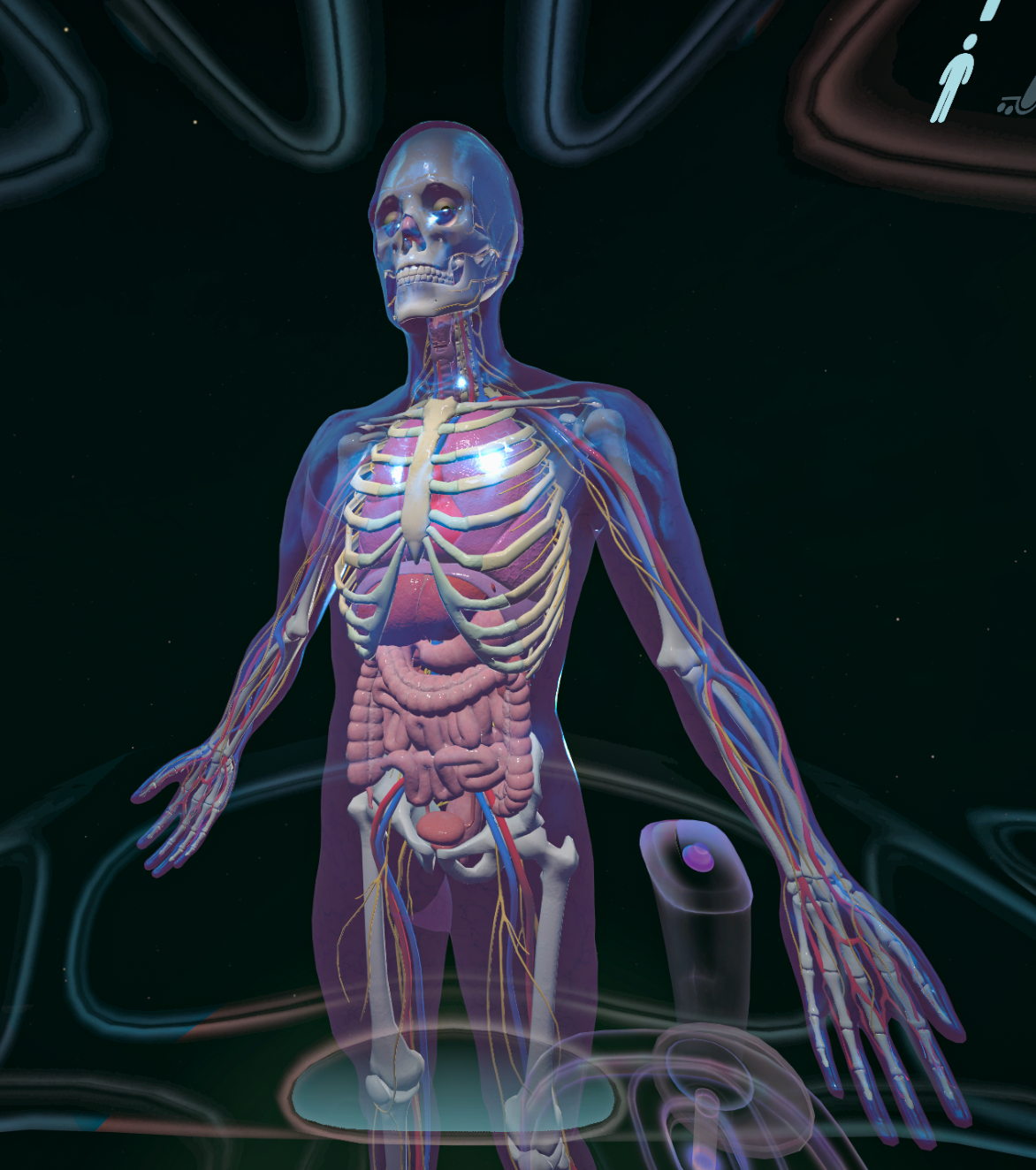
Anatomy & Physiology is a series of immersive virtual reality modules built for the Dreamscape Learn platform, designed to help learners experience human biology at a scale impossible in a traditional classroom. Rather than studying static diagrams alone, participants move through living systems in motion, observing how anatomy, physiology, and cellular communication work together in real time.
The core mission of this initiative is to transform abstract biological concepts into navigable, memorable experiences. These modules allow students to witness structure and function as part of a connected system, linking spatial understanding, physiological behavior, and clinical relevance within a guided immersive environment.
The initiative is currently centered on Perfusion, a cardiac-focused module that introduces learners to circulation, vascular anatomy, immune recognition, and the transport of oxygen-rich blood into the heart. Additional Anatomy & Physiology modules can expand this framework into other organ systems and physiological processes over time.
Active Modules:
Perfusion | Cardiac Systems (Summer 2026)
Future Modules:
Signal | Neural Communication & Reflex Pathways
Defend | Immune Surveillance & Inflammatory Response
Ventilate | Respiratory Mechanics & Gas Exchange
Filter | Renal Function & Fluid Balance
Regulate | Endocrine Control & Homeostasis
Absorb | Digestion, Nutrient Uptake & Hepatic Processing
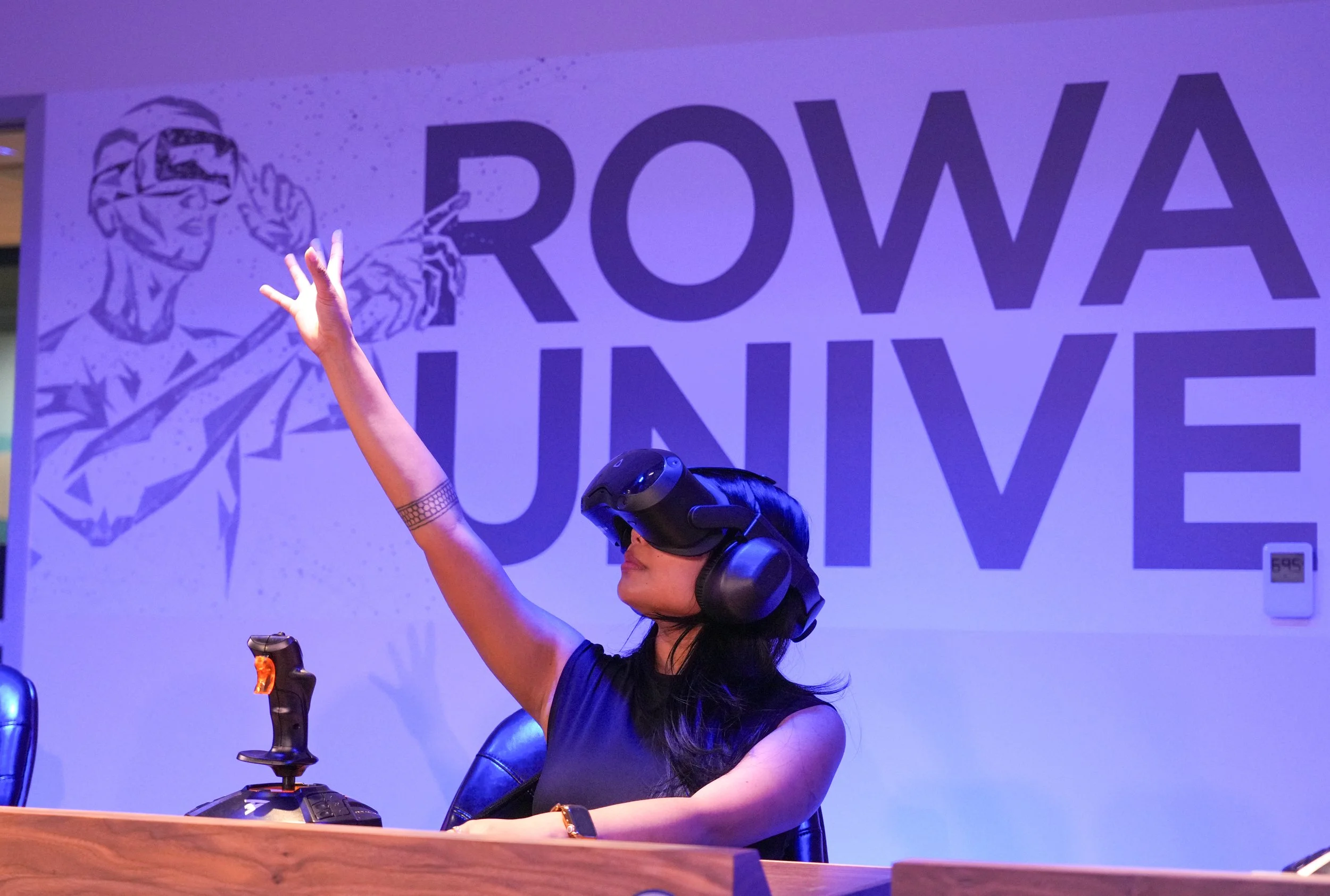
Anatomy & Physiology | Perfusion
A guided journey through cardiac circulation:
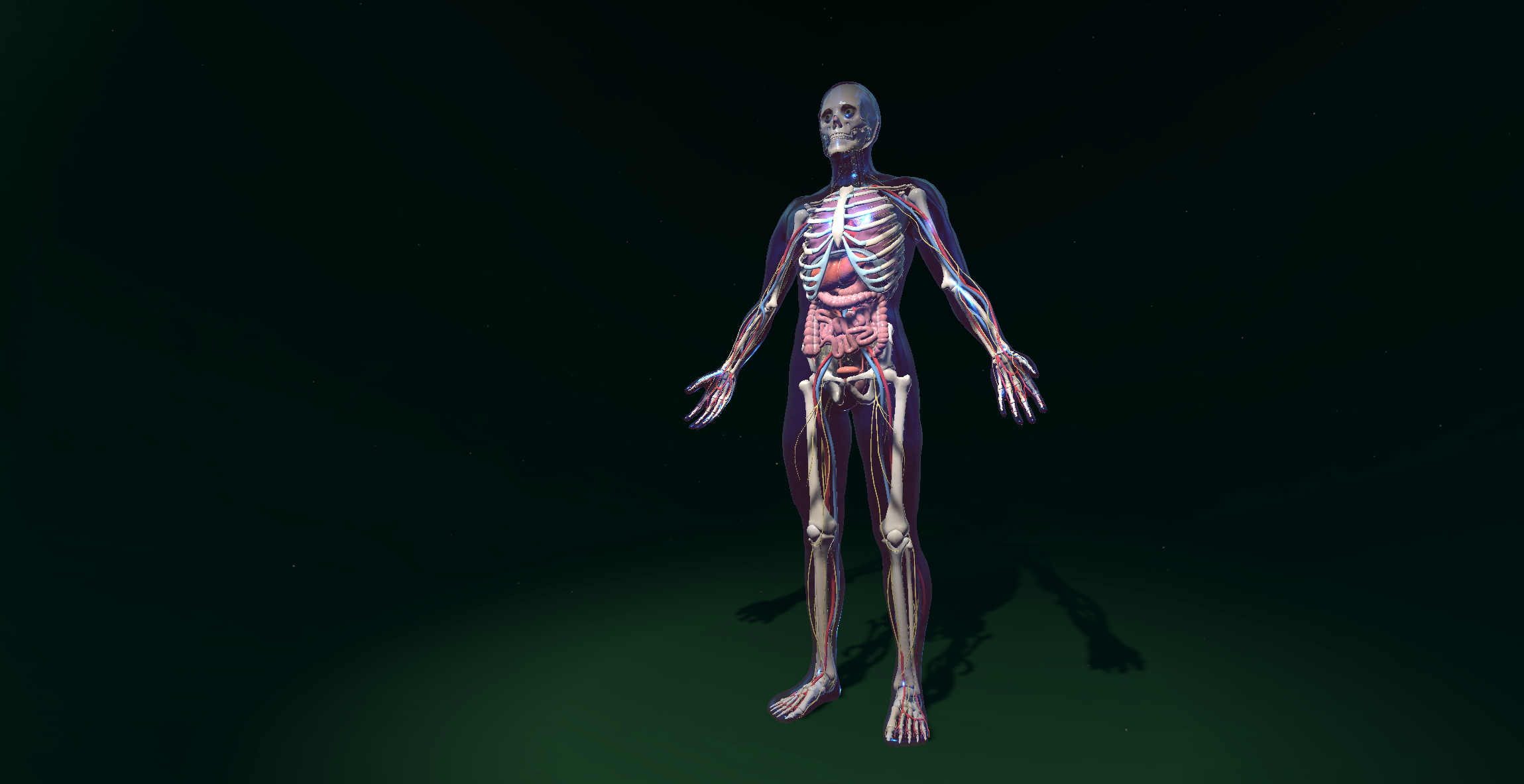
Perfusion places the learner inside an immense, translucent human body, where scale and atmosphere establish a sense of biological wonder before the experience narrows toward the heart.
Once inside the Left Superior Pulmonary Vein, learners are introduced to the internal environment of circulation as a fast-moving, high-pressure biological pathway filled with red blood cells returning oxygen-rich blood from the lungs to the heart. Guided by ARIA, an Artificial Responsive Intercellular Agent, students begin to orient themselves within the cardiovascular system while learning how vessel structure, direction of flow, and anatomical position relate to larger systemic function.
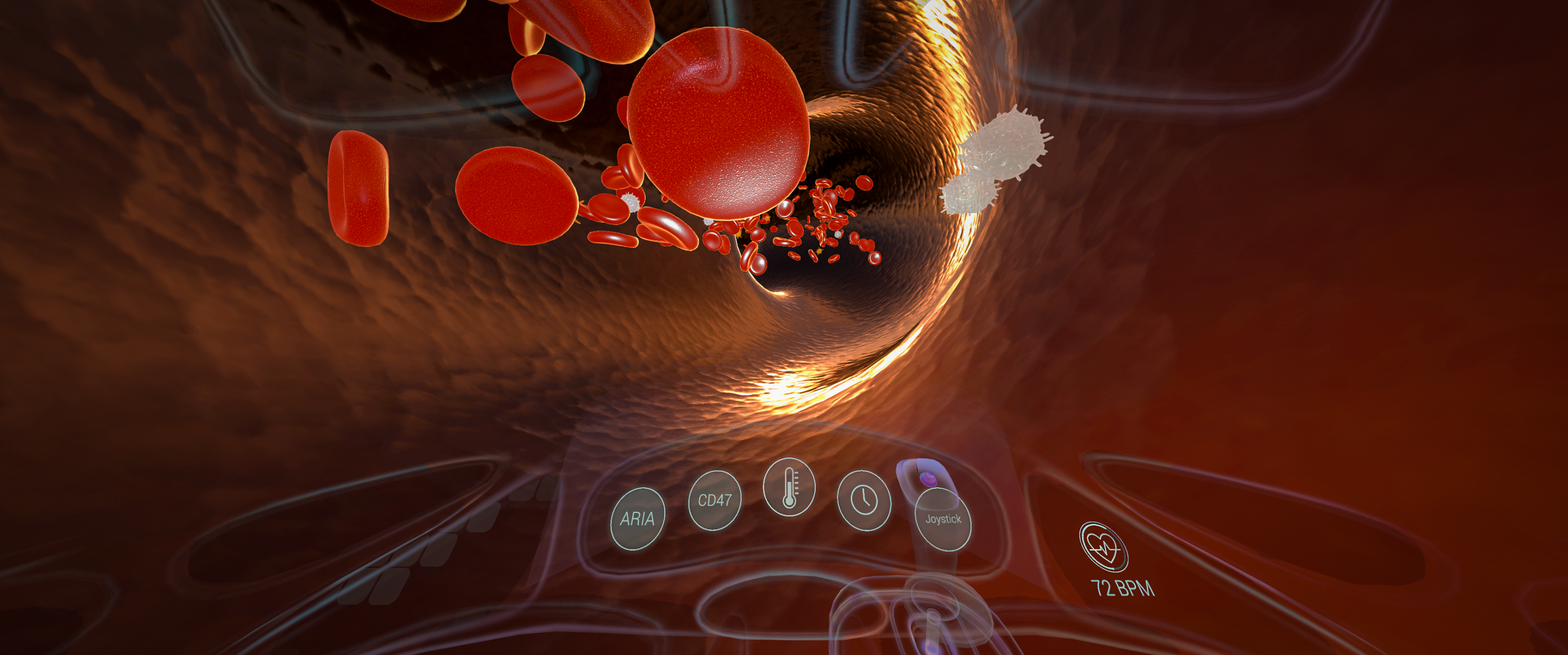
Learner is identified as a possible threat by nearby immune cells, including a B cell and surrounding lymphocytes. This interaction introduces a foundational lesson in immune recognition and cellular signaling, Students connect molecular signaling to physiological consequence in a way that is immediate, visual, and interactive.
As the experience continues, the learner rejoins the current of red blood cells and is carried deeper into the heart’s circulatory pathway. Along the way, Perfusion reinforces the role of erythrocytes in oxygen delivery, the relationship between the pulmonary veins and the left atrium, and the broader importance of blood flow as a life-sustaining system.